
THE OBJECTIVE
To identify, analyse and conceptualise the role played by regional and national courts (of the countries hosting the most important transboundary ecosystems in LAC) regarding the actions of biosphere defenders seeking to prevent or mitigate the degradation of these ecosystems.
THE MAIN QUESTION

How do biosphere defenders and courts interact to advance NBS that help mitigate and adapt to serious environmental challenges in LAC’s vital cross-border ecosystems?
FROM THE QUESTION TO THE ANSWER(S): OUR ROADMAP
Who is a defender? What is an NBS? Which ecosystems are most at risk? Clarifying these concepts is essential for building our conceptual framework.
Mapping court judgments across states having key cross-border ecosystems to unveil how they support or challenge biosphere defenders and whether they engage with NBS. By comparing how these decisions have (or not) supported the work of biosphere defenders, we can assess the role of courts in these interactions.
So far, the interaction between courts and defenders has not been systematically assessed. The outcome of this thematic area seeks to determine whether defenders obtain solid support from courts and whether the implementation of NBS is an issue considered by defenders when claiming environmental protection and whether courts engage in these topics.
WHAT’S NEW?
Discover what our team is working on and how we are engaging with the public. From podcasts and recent research to public events and appearances, explore our activities and learn more about our work through the links below.
Browse our latest activities, starting with the most recent!
Seminar ”Co-Producing Knowledge for Water, Climate and Risk Governance”
Liliana Lizarazo Rodríguez participated as chair in the Seminar ”Co-Producing Knowledge for Water, Climate and Risk Governance” organised by The Water and Climate Department of the Vrije Universiteit Brussels (VUB) in collaboration with Vliruos, Curiae Virides Project, Defend-Bio Project, and the UNESCO Intergovernmental Hydrological Programme.
17th Nordic Environmental Social Science (NESS) Conference
Martha Robles Ustariz participated in the Workshop 11 on the topic ”Co-creating Nature-based Solutions: Bridging policy, practice, and participation” organized in the context of the NESS Conference 2026. She presented the work in progress about Nature-based Solutions (NbS) in the Amazon Basin Project (ABP), presenting a co-authored paper with Liliana Lizarazo Rodríguez and Afnan Agramont Akiyama that examines the governance and participatory rights of communities in NbS, starting from an environmental governance approach and complementing it with an Environmental Democracy lens.
Liliana Lizarazo Rodríguez participated in the First European Forum on Environmental Human Rights Defenders hosted by the Council of Europe in Strasbourg.
The Shadows of ”Green”:
Who decides, Who benefits and Who bears the costs?
This blogpost reflects on the increasing use of nature-based solutions (NbS) to address climate change and biodiversity loss, while also critically exploring the potential conflicts these interventions can generate. Specifically, it considers how poorly designed or implemented “green” projects may generate ecological conflicts with human rights implications, raising questions about their ecological effectiveness and the protection of the rights of local communities.
Click here to read the blog!
Workshop: The Shadows of ”Green”:
Who decides, Who benefits and Who bears the costs?
NbS and carbon credits are increasingly promoted as key tools in the fight against climate change, but what do they actually deliver in practice? In this event we critically explored the growing role of NbS in carbon markets, and unpacked both their promises and their controversies through two case studies from Kenya and Colombia.
Click here to read more!
How biosphere defenders interact with court in Latin America’s vital ecosystems? What are NbS? Why is it important in the context of litigation? In the fourth episodie of our podcast serie, Claudia Ituarte-Lima sat down with Liliana Lizarazo Rodríguez and Martha Robles Ustariz to disuss about these questions.
Involve in the discussion by hearing the episode here!
What are NBS? What are the standards to apply to a project under this label? What values do NBS represent? We explore these questions in our first blogpost ”Nature-Based Solutions: Some questions around the concept”. Click on the title to read it!
Also available in Spanish and Portuguese!
Martha Robles Ustariz participated in the 19th Alternet Summer School Biodiversity and society: Transforming science and policy.
TEAM MEMBERS OF THIS AREA OF WORK

Led by the Brussels School of Governance (BSoG)- Vrije Universiteit Brussels (VUB), funded by the Research Foundation- Flanders (FWO), the team members of this area of work are
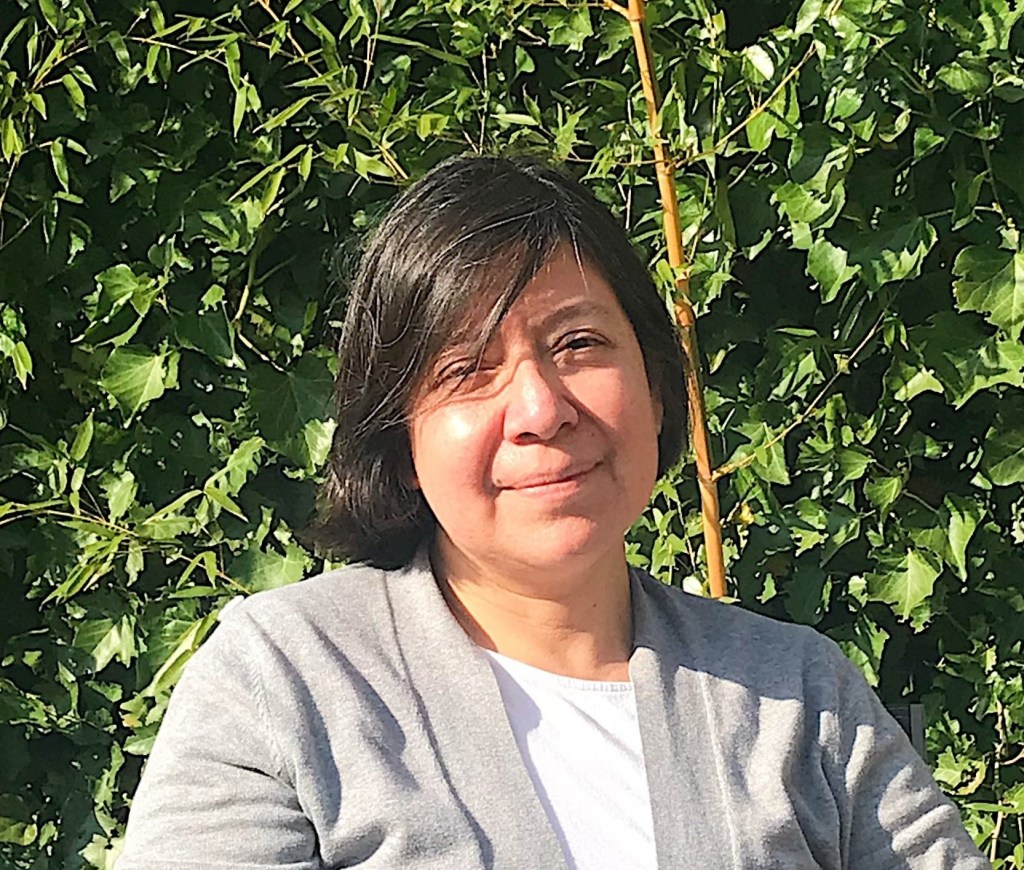
Liliana Lizarazo Rodríguez– PI. Professor, BSoG-VUB
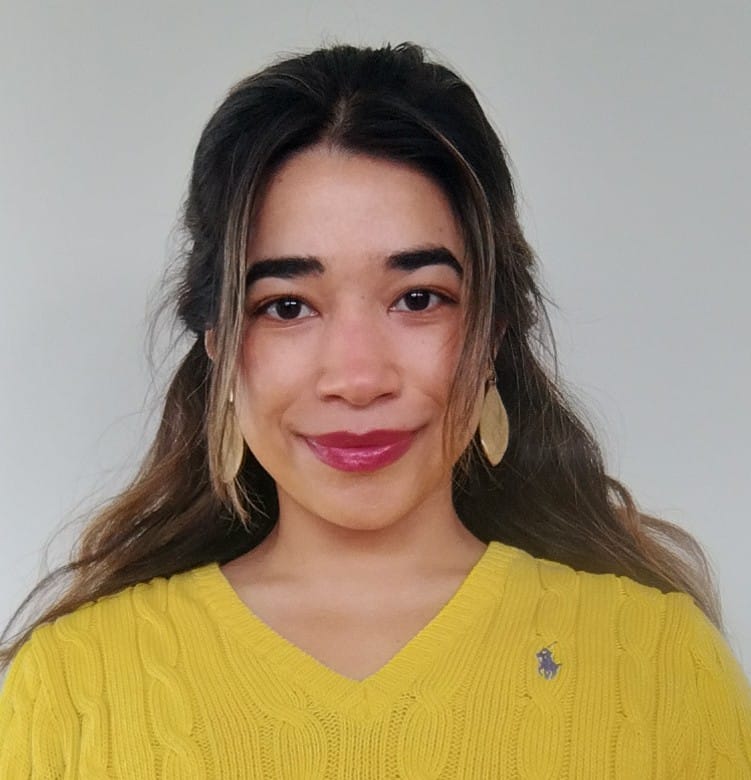
Martha Robles Ustariz-PhD Researcher, BSoG-VUB
LITIGATION IN LATIN AMERICAN AND THE CARIBBEAN COUNTRIES WORKS HAND IN HAND WITH
The area of International and Regional Law led by the Raoul Wallenberg Institute of Human Rights and Humanitarian Law (RWI)- Lund University
&
The area of Citizen Data led by the Danish Institute for Human Rights (DIHR)
&
The area of Transnational European Economic Law led by the Centre for Development and Environment (CDE)- University of Bern


