M.Robles Ustariz1, X. Bekaert1, L. Lizarazo Rodríguez1, A. Agramont Akiyama1, D. Kofi Abu2 and S. Smis1
- Vrije Universiteit Brussels
- UN Habitat
This blogpost reflects on the increasing use of nature-based solutions (NbS) to address climate change and biodiversity loss, while also critically exploring the potential conflicts these interventions can generate. Specifically, it considers how poorly designed or implemented “green” projects may generate ecological conflicts with human rights implications, raising questions about their ecological effectiveness and the protection of the rights of local communities. The blogpost summarises some reflections developed at an event organised by Biodiversa+ Defendbio and the ERC Curiae Virides projects hosted by the Brussels School of Governance, in collaboration with the Law Faculty of Law and Criminology and the Water and Climate Department, all of the Vrije Universiteit Brussel. The Global Network for Human Rights and the Environment (GNHRE) also supported the event.
I. Introduction
Nature-based solutions (NbS) have increasingly gained space as a promising way to address social, environmental and climate challenges while protecting, sustainably using, managing and restoring ecosystems (See the International Union for Conservation of Nature (IUCN) Global Standard for Nature based Solutions). However, despite being characterised by their approach of ‘working with and for nature’ to solve socio-ecological problems, the NbS label could be misused, and could harm the rights of local communities, including Indigenous peoples.
What happens when solutions that, appear at first glance to benefit both ecosystems and communities fail to account for justice? This question led to a set of fundamental concerns: who decides, who benefits, and who bears the costs of these so-called “green” interventions?
Two judicial decisions, one in Kenya and one in Colombia, illustrate a critical scenario: green projects that fail to respect essential environmental rights, such as the right to public participation and consultation, and the right to Free, Prior and Informed Consent (FPIC), may lead to situations of illegality and injustice. Above all, such projects cannot be labelled as ‘green’. The first case, Osman & 164 Others v. Northern Rangelands Trust & 8 Others (2025), ruled by the Environmental and Land Court at Isiolo (the Kenyan Court) concerns a wildlife conservancy project linked to carbon removal in Kenya. The second case, Judgement T-248/24 rendered by the Colombian Constitutional Court (CCC), addresses the Baka Rokariré- Reduce Emission from Deforestation and Forest Degradation (REDD+) project aimed at reducing emissions from deforestation and forest degradation in the Colombian Amazon.
While the Kenyan Court found that the conservancy project had been established and operated unlawfully due to the absence of meaningful public participation and compliance with statutory requirements, in Colombia, the CCC found that the failure to guarantee the FPIC violated fundamental rights of Indigenous communities. These entitlements include the right to self-determination, autonomy and self-government; land rights, including their territories and natural resources; and the protection of their physical and cultural identity and integrity.
II. Kenya: The Osman & 164 Others v. Northern Rangelands Trust & 8 Others (2025)
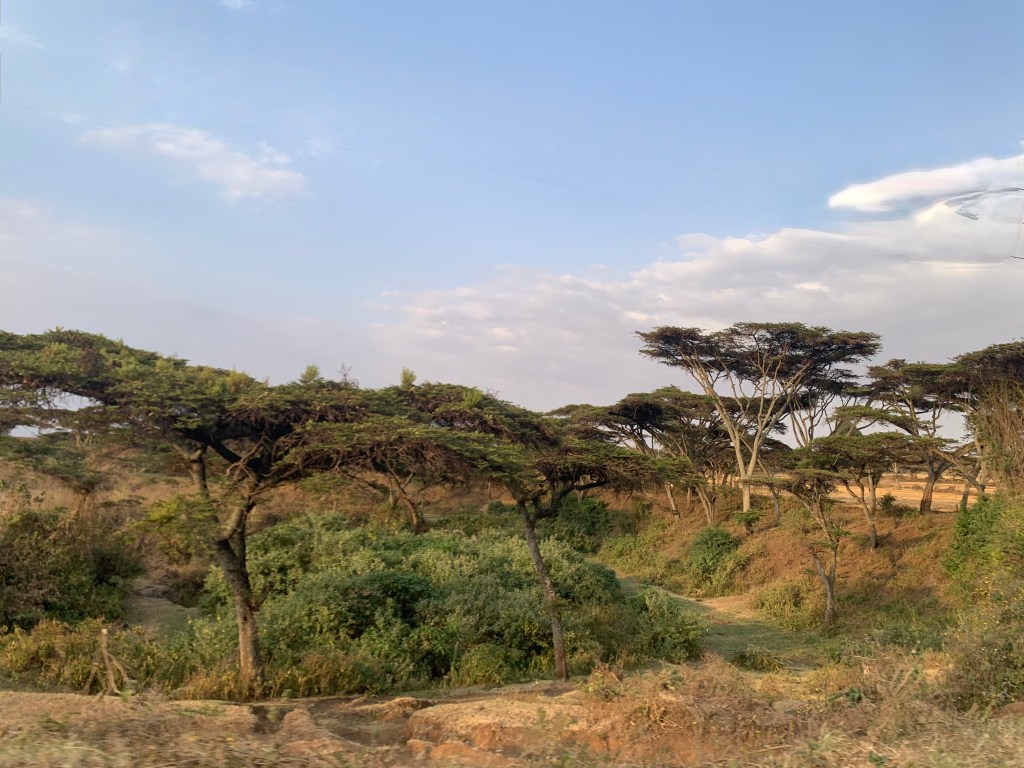
The case of Osman and others v. Northern Rangeland Trust & 8 others concerns the establishment and operation of two community conservancies in the Chari and Cherab Wards of Merti Sub-County in Isiolo County in northern Kenya. This area consists of extensive pastoral rangelands that are used collectively by pastoralist communities for grazing livestock, seasonal mobility and other socio-cultural practices. The petitioners, 165 members of the local communities, argued that these lands constitute unregistered community land that is constitutionally protected and held in trust by the Isiolo County Government. They claimed that the establishment of the conservancies and the related activities took place without their participation or consent.
The case arose in the context of the Northern Kenya Rangelands Carbon Project, which is one of the world’s largest soil carbon removal projects. The project is coordinated by the Northern Rangelands Trust (NRT) and operates across a network of community conservancies in norther Kenya. It aims to address rangeland degradation and increase soil carbon storage through modified grazing practices, such as rotational grazing. The resulting carbon credits are then sold on voluntary carbon markets. However, according to the petitioners, the project went far beyond a purely ecological intervention. The establishment of the conservancies also introduced new forms of land management, surveillance and control over community land, including land mapping, the recruitment of rangers and the development of conservancy infrastructure.
The central legal issue in the case was whether the conservancies and related activities could be lawfully established and implemented on unregistered community land without adequate public participation and without compliance with the applicable constitutional and statutory procedures. The petitioners argued that the conservancies were established without free and meaningful involvement of the wider community, without environmental impact assessments and without the legally required approvals. They also claimed that the conservancy activities violated their rights to property, culture, livelihoods and security. Furthermore, the presence of armed rangers resulted in intimidation, violence and limitations on access to traditional grazing areas and cultural sites.
The Kenyan Court confirmed that community land rights are constitutionally protected, even where the land has not yet formally been registered. The court emphasised that public participation is not merely a procedural formality, but a constitutional requirement central to decisions concerning land use and natural resources. Referring to the Kenyan Constitution, the Community Land Act, the Wildlife Conservation and Management Act and certain international environmental principles, the court ruled that there was insufficient evidence to show that the affected communities had been properly informed of or involved in the creation of the conservancies. The required environmental impact assessment and other statutory procedures had also not been carried out. The Court concluded that the conservancies had been established and operated in an unconstitutional and unlawful manner. It issued an injunction prohibiting any further conservancy activities in Chari and Cherab Ward, including access to, mapping of, and management of the relevant community lands. Additionally, the Court prohibited the conservancies from deploying rangers and ordered the County Government of Isiolo and the Ministry of Lands to facilitate the registration of the community land. Importantly, the Court explicitly recognised that climate and conservation projects cannot operate outside of constitutional and human rights frameworks.
The judgment emphasises that nature-based climate interventions are not just technical or ecological projects; they are interventions that have a significant impact on existing social, territorial, and governance relations. Furthermore, the judgment has broader implications for carbon projects and NbS implemented on community land. It confirms that climate projects implemented on the lands of Indigenous peoples and local communities (IPLC) cannot be legitimised without their meaningful participation, respect for their collective land rights, and compliance with constitutional safeguards.
III. Colombia: Judgement T-248/24- The Baka Rokarire REDD+ Project in the Pirá Paraná (2024)
The case concerns the Baka Rokarire- REDD+ project located in the Pirá Paraná territory in the Colombian Amazon. The Pirá Paraná territory is home to 17 indigenous communities with deeply rooted governance systems and territorial relations. They are collectively represented by two authorities: their highest authority, the Indigenous Council of the Pirá Paraná, in charge of the political functions and for the internal and external decision-making; and the Association of Traditional Indigenous Authorities (ACAIPI), in charge of administrative functions.
In 2021 the REDD+ project was implemented by two Colombian companies that designed it, entered the territory and formalised its operation through a mandate contract, a contractual figure commonly implemented in private and commercial law. However, at the time of signing, the former representative of ACAIPI was not legally entitled to bind the Indigenous Council. The contract-imposed restrictions on the use of the Indigenous communities’ chagras, which are traditional agricultural systems essential to guarantee food security, cultural identity, and ecological knowledge. Furthermore, the contract did not specify how the benefits of the REDD+ project would be distributed or determined. Under these conditions the project was verified and validated by a Validation and Verification Body headquartered in the United States of America, and the carbon credits were certified by another Colombian company, enabling their commercialization.
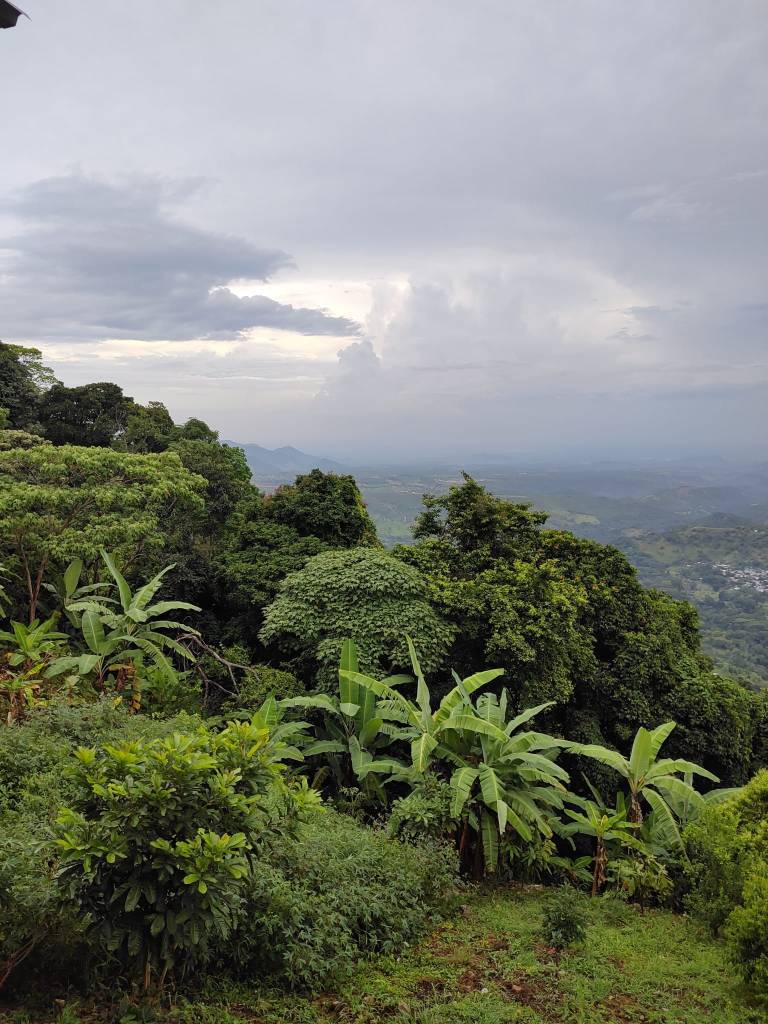
Indigenous communities from the Pirá Paraná territory lodged a constitutional action seeking the protection of their rights. The CCC recognised the problematic scenario in which NbS, like REDD+ projects, despite claiming to work with and for nature, may generate direct, significant, and intense impacts on IPLC. Building on both international and national law, the CCC held that green interventions are not a waiver for failing to comply with legal standards, nor do they justify superficial compliance. The CCC reaffirmed the importance of recognising and respecting a central framework of collective fundamental rights, particularly when designing and implementing NbS in IPLCs’ territories. These collective fundamental rights are self-determination, autonomy and self-government, the right to land, territory, and natural resources, the right to physical and cultural identity and integrity, and the right to consultation and FPIC.
The CCC not only recognised the necessity for these projects to be developed in accordance with this framework but also emphasised that its compliance is non-negotiable, precisely because Indigenous communities are not mere stakeholders, but authorities in their territories. The CCC also held that companies must implement due diligence aligned with constitutional obligations and international standards, which require them to act with full transparency to identify, prevent, mitigate and respond to the negative impacts of their projects. Furthermore, the CCC exposed the state’s failure to fulfil its role, highlighting the absence of a binding regulatory framework and the ineffective monitoring of the impact on environmental protection and community rights.
The CCC held that communities, who have inhabited and cared for these territories for decades, cannot be the ones expected to sacrifice their customs and relationships with the land, and bear the burden of climate change mitigation, without proper consultation, respect, and recognition of their rights. The CCC concluded that states and companies must develop an ethnic approach when designing and implementing NbS in IPLCs territories. This ethnic approach requires a framework that recognises and incorporates multiple cultural, social, and ecological realities, particularly the needs of IPLCs. Furthermore, the rights of Indigenous communities must comprehensively be respected, protected, and guaranteed, which necessarily implies recognising their relation to their territorial and productive dynamics. Therefore, this ethnic approach is not limited to creating specific protocols for formal participation. Rather, it involves a culturally sensitive approach that understands the implications and impacts that these green projects can have on IPLC.
IV. Some reflections
Fundamental questions emerge: who decides, who benefits, and, who bears the costs of these so-called “green” interventions?
These questions are relevant because many of these initiatives are implemented in or near the territories of IPLCs (Derham et al., 2025; Canales, 2024; IPBES, 2020) Such territories are often characterised by high levels of biodiversity (Lizarazo Rodríguez et al., 2025; IPBES, 2020;Forest Peoples Programme, 2020) , although this contribution is difficult to quantify (Fernández-Llamazarez et al, 2024). It is important to highlight that these ecosystems have not always been preserved by chance: they usually reflect long-standing systems of stewardship, where biodiversity is deeply intertwined with the cultural practices, knowledge systems, and social structures of IPLCs (WWF et al., 2021).

These cases reveal implementation gaps and deeper structural tensions within the design and implementation of NbS in IPLC territories. Green projects cannot be considered as ‘‘green solutions’’ that are inherently good and harmless to both biodiversity and communities if the fundamental rights and voice of these communities are not respected. They offer an exceptional opportunity to rethink how climate mitigation, adaptation, and biodiversity restoration interventions are designed and executed. As the partnership between public and private actors seems essential to tackle the global ecological crisis, it is important to acknowledge the benefits of IPLC stewardship, which start by respecting their rights and voice. In addition, the burdens these interventions place on those who have contributed least to ecological degradation and have played a central role in preserving their territories seem unbalanced. These territories are ‘strategic for tackling global warming and conserving biodiversity. However, they belong to communities that cannot be excluded from any initiative, even those intended to promote sustainability.
V. The role of courts in the protection of ecosystems and their communities
These two cases also demonstrate that debates on how to address the global ecological crisis and the cumulative effects of ecosystem degradation must necessarily acknowledge that the inhabitants of these ecosystems are an integral part of them, and that their rights and responsibilities must be incorporated into analyses of how to tackle these challenges. National courts, rarely mentioned in the debate, play an important role in the implementation of sustainable policies and projects, not only because they can resolve disputes among stakeholders, but above all because they are the ones who ensure the application of international environmental and human rights standards for all types of projects that may pose risks to ecosystems and communities.
An important contribution by the CCC is the ethnic approach to these projects. This approach has also been developed by the Inter-American Court of Human Rights (See, I/A Court H.R., Case of the U’wa Indigenous People and its members v. Colombia), which established the parameters within which environmental democracy and consultation processes with ethnic communities must be implemented. These judgements require states to incorporate an ethnic approach into their project approval regulations in IPLC territories, and require companies to exercise due diligence in this regard when implementing projects.
In turn, the Kenyan Court made an important contribution by reaffirming that public participation is a constitutional imperative in environmental governance, particularly regarding projects affecting community land and natural resources. The judgment emphasises that conservation and carbon-related interventions cannot operate outside of constitutional and statutory frameworks, even if they are intended to protect ecosystems. By doing so, the Court strengthened the legal protection of unregistered community land and clarified that procedural safeguards are essential for the legality of such projects. This positions the courts as key actors in ensuring that climate and conservation initiatives are implemented in accordance with the rule of law, while respecting community land rights, local governance systems and constitutional guarantees. The Kenyan Court also highlights the close connection between procedural rights, such as participation, and broader questions of land governance, authority and control over natural resources. In this sense, the NRT-case shows that the legitimacy of NbS depends not only on their environmental objectives, but also whether communities affected are genuinely involved in decisions about their territories and ways of life.
VI. The way forward
NbS can make a significant contribution to the restoration or remediation of ecosystems. When grounded in science, they can be a vital intervention for at-risk ecosystems. However, these interventions must consider the communities living within those ecosystems. Therefore, these initiatives and projects such as REDD+ or carbon capture that involve public-private partnerships must adhere to global standards, and the state must regulate these interventions and ensure that the companies involved exercise due diligence with a pluralistic approach that respects the voice and rights of these communities. Moreover, these projects can only succeed if they integrate plural knowledges into their implementation, with due recognition of the contribution of communities and ensuring an equitable distribution of benefits.
An equitable carbon future for the world requires shifting from externally driven offset models toward participatory climate governance systems that place communities at the centre of environmental stewardship. Climate justice will only be achieved when the economic, ecological, and social benefits of carbon projects are shared fairly among those whose lands, livelihoods, and ecosystems sustain the global carbon economy.
This research was funded by Biodiversa+, the European Biodiversity Partnership, in the context of the DEFEND-BIO project under the 2023–2024 BiodivNBS joint call. It was co-funded by the European Commission and the following funding organisations: Swedish Research Council for Environment, Agricultural Sciences and Spatial Planning (Formas), Innovation Fund Denmark (IFD), Research Foundation – Flanders (FWO), Swiss National Science Foundation (SNSF), and Dutch Research Council (NWO).

