THE OBJECTIVE
To understand and analyse the use/leverage of national and global mechanisms (law and policies) for territorial defence and ecosystem protection at the local level and through living law in Colombia and Ecuador.
THE MAIN QUESTIONS
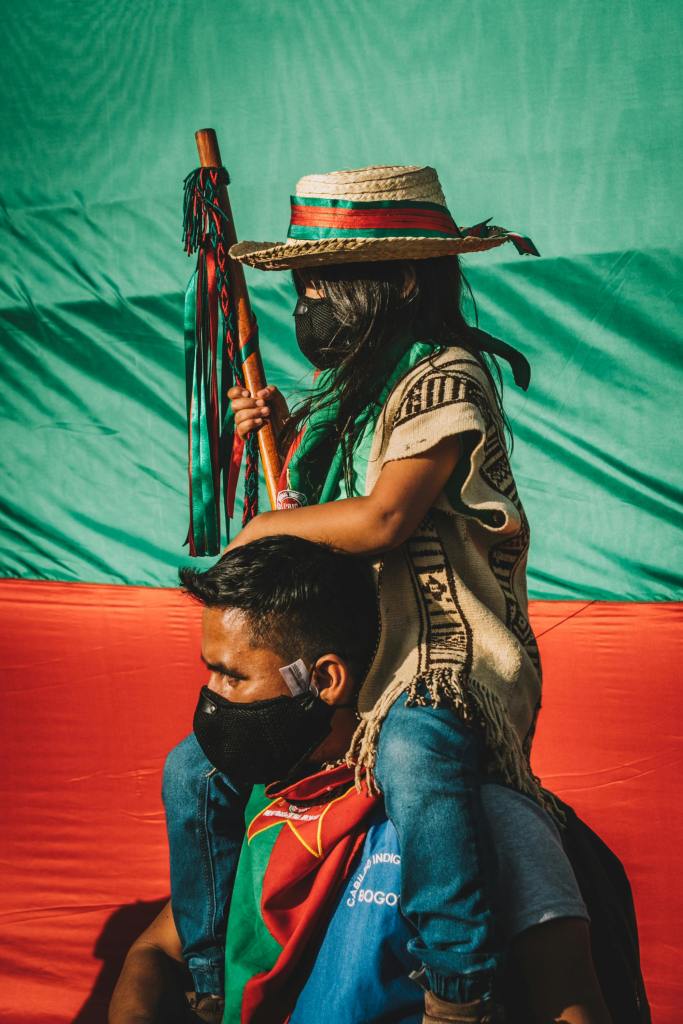
How do biosphere defenders in Colombia and Ecuador use laws and policies in everyday life to exercise the right to a healthy environment?
How do Indigenous Peoples and Local Communities (IPLCs) in Colombia and Ecuador leverage local values and traditional knowledges to position themselves as political agents to protect, restore and sustainably use ecosystems and biodiversity?
To what extent do narratives of global sustainability transformations play a role in biosphere defenders’ everyday forms of resistances against drivers of ecosystem degradation in Colombia and Ecuador?
FROM THE QUESTION TO THE ANSWER(S): OUR ROADMAP
We explore how biosphere defenders use the law in their daily lives to protect biodiversity and the right to a healthy environment. Together, we build communities of practice in three selected sites, co-design the research, and collect stories through narrative walks, maps, and interviews to reveal how defenders define and practice NBS in their own words.
We bring local knowledge and values to the forefront of biodiversity action. Working side by side with biosphere defenders, we visualise and document how communities understand and implement NBS. The insights feed into a policy brief on plural ways of knowing nature, broadening global conversations about what “biodiversity” means.
We create powerful exchanges between biosphere defenders, lawyers, and activists to reimagine how law can work for people and nature. Through workshops in the Caribbean and Amazon regions, we share experiences, connect urban and rural perspectives, and explore how local “living laws” can influence global change. A documentary captures these voices and dialogues for wider impact.
TEAM MEMBERS OF THIS AREA OF WORK

Led by the Raoul Wallenberg Institute of Human Rights and Humanitarian Law (RWI)- Lund University and co-led by the Copernicus Institute- Utrecht University, funded by the Swedish Research Council (Formas), and the Dutch Research Council (NWO), the team members of this area of work are
Diana Vela Almeida– PI. Professor, Utrecht University

Torsten Krause – Senior Lecturer, Lund University
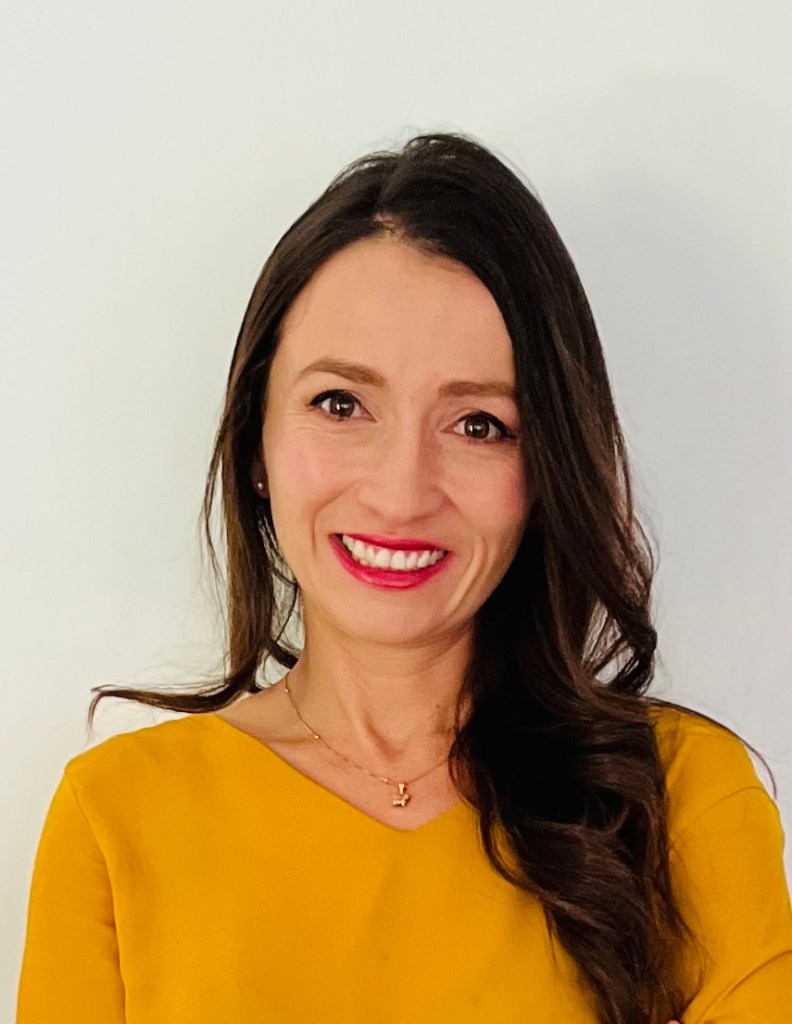
Ana María Vargas– Senior Lecturer, Lund University
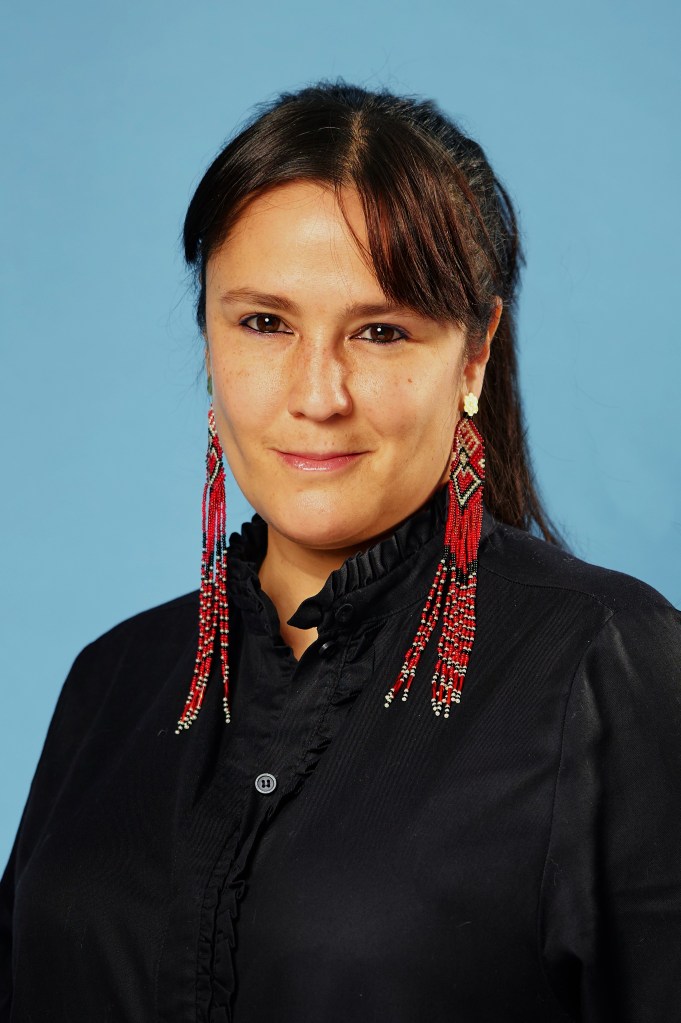
Tatiana Acevedo– Professor, Utrecht University
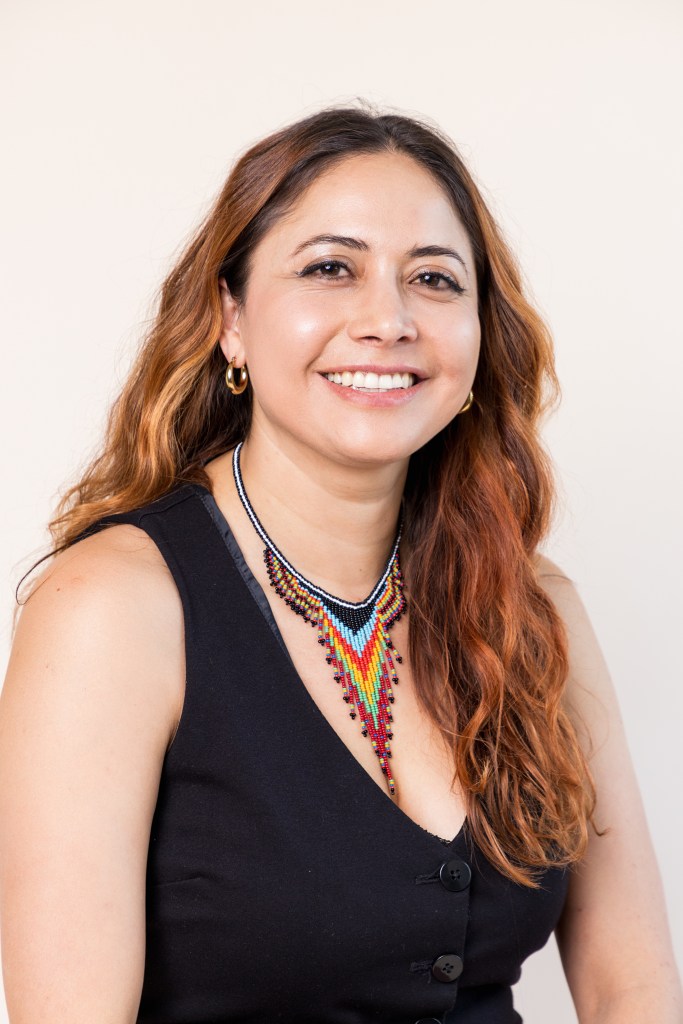
Gabriela Gallardo Lastra– PostDoc Researcher, Utrecht University
LIVING LAW WORKS HAND IN HAND WITH
The area of International and Regional Law led by the Raoul Wallenberg Institute of Human Rights and Humanitarian Law (RWI)- Lund University
 DEFEND-BIO