
THE OBJECTIVE
To support biosphere defenders in LAC to use international and regional law and citizen-generated data as leverage in stakeholder engagement for transformative change in their enabling environment.
THE MAIN QUESTION
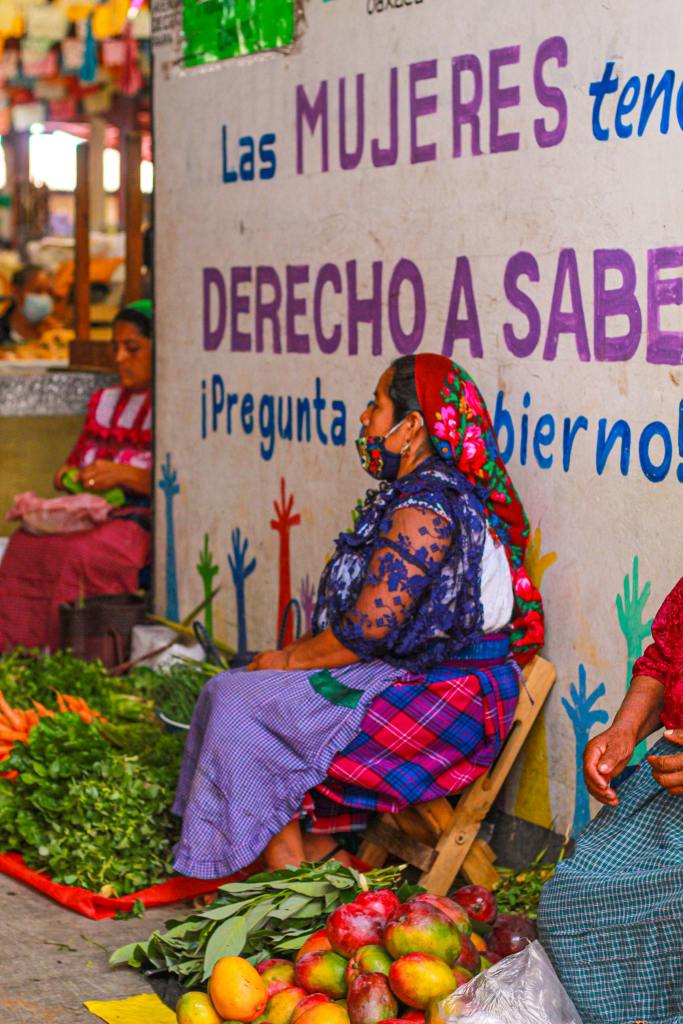
How can biosphere defenders be better protected and empowered to drive NBS and defend the right to a healthy environment?
FROM THE QUESTION TO THE ANSWER(S): OUR ROADMAP
We develop a legal empowerment tool to help biosphere defenders to facilitate a human rights-based monitoring of their procedural rights and their right to a healthy environment, enabling environmental protection based on international and regional law. Built on international and regional standards, the tool is tailored for countries in LAC implementing the Escazú Agreement.
We train and support biosphere defenders in Colombia and Bolivia to collect their own data on laws, policies, and local realities using the new tool. This community-driven data strengthens national analyses and feeds global processes like the Escazú Agreement Conference of the Parties 4 (COP4) and CBD Conference of the Parties 17 (COP17), amplifying biosphere defenders’ voices at international forums.
We bring together defenders, state institutions, stakeholders, and societal actors to validate findings and co-create policy recommendations. These dialogues ensure that the data collected translates into real change, informing fairer laws, better protection, and stronger environmental governance.
We analyse the collected data to produce policy studies that guide decision-makers in LAC on human rights–based implementation of the Escazú Agreement and the Kunming-Montreal Global Biodiversity Framework. The project also uses Artificial Intelligence (AI) tools to assess how national biodiversity strategies integrate human rights protections.
WHAT’S NEW?
We joined the second episode of the DEFEND-BIO Podcast to explore the role of the Escazú Agreement and how citizen-generated data and legal empowerment—from co-developing practical tools and capacity strengthening, to collecting and analyzing data, and ultimately using it to influence policy and decision-making. Tune it in here!
TEAM MEMBERS OF THIS AREA OF WORK

Led by the Danish Institute for Human Rights (DIHR), funded by the Innovation Fund Denmark , the team members of this area of work are

Carol Rask– PI. Chief Adviser, Human Rights and Sustainable Development, Americas
CITIZEN DATA WORKS HAND IN HAND WITH
The area of International and Regional Law led by the Raoul Wallenberg Institute of Human Rights and Humanitarian Law (RWI)- Lund University
&
The area of Litigation in Latin America and the Caribbean countries led by the Brussels School of Governance (BSoG)- Vrije Universiteit Brussels (VUB)
 DEFEND-BIO